
In an increasingly digital and fast-paced world, the art cafe emerges as a refreshing sanctuary, a haven where creativity, community, and culinary delight converge. More than just a place to grab a coffee or a bite, an art cafe is a dynamic cultural space, a living canvas that fosters inspiration, facilitates connection, and celebrates the multifaceted expressions of human ingenuity. It’s where the aroma of freshly brewed coffee mingles with the scent of paint, the murmur of conversation blends with the soft strum of a guitar, and ideas are exchanged as freely as brushstrokes on a canvas.
At its core, an art cafe is built on a simple yet powerful premise: to integrate artistic engagement into the everyday experience of dining and socializing. This concept goes far beyond merely hanging a few paintings on the wall. It’s about creating an environment that actively encourages participation, appreciation, and a deeper immersion into the world of art.
The Ambiance: A Curated Aesthetic Experience
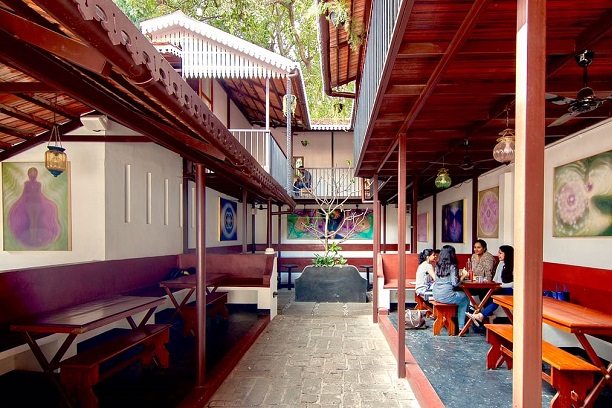
The very first impression of an art cafe is its distinctive ambiance. Unlike a generic coffee shop, the decor is intentionally curated to inspire. Walls might be adorned with rotating exhibitions of local artists, offering a fresh visual feast with every visit. Exposed brick, reclaimed wood, quirky furniture, and strategically placed lighting often contribute to a bohemian, industrial-chic, or cozy-eclectic vibe. There’s a deliberate effort to avoid sterile uniformity, instead opting for a lived-in, character-rich feel that invites lingering and introspection. Comfortable seating arrangements – plush armchairs, communal tables, and intimate nooks – encourage both solitary contemplation and lively group discussions. The background music, often a curated playlist of independent artists, jazz, or ambient tunes, further enhances the artistic atmosphere without being intrusive.
Beyond the Brew: The Culinary Art
While coffee and tea are often central to an art cafe’s menu, the culinary offerings themselves frequently reflect the establishment’s creative ethos. Beyond standard lattes and cappuccinos, you might find artisan-roasted beans, unique brewing methods, and a selection of specialty teas. Food items often go beyond basic pastries; think beautifully plated sandwiches, vibrant salads, homemade cakes, and perhaps even small, shareable platters designed for leisurely enjoyment. The emphasis is often on quality ingredients, presentation, and sometimes, even locally sourced produce, aligning with a broader appreciation for craft and authenticity. Some art cafes even experiment with “edible art,” where the food itself becomes a miniature masterpiece.
The Artistic Heart: Activities and Engagement
This is where the art cafe truly distinguishes itself. Its artistic core manifests in a diverse range of activities designed to engage patrons actively:
- Rotating Art Exhibitions: A cornerstone of most art cafes, these exhibitions provide a crucial platform for local, emerging, and even established artists to showcase their work to a wider audience. Patrons can admire, discuss, and often purchase pieces, directly supporting the artistic community. The regular change of exhibits keeps the space fresh and offers continuous visual stimulation.
- Workshops and Classes: Many art cafes host regular workshops covering a spectrum of creative disciplines. From painting and drawing classes for beginners to pottery, calligraphy, photography basics, or even creative writing sessions, these workshops offer a hands-on opportunity for patrons to explore their own artistic talents under expert guidance.
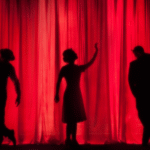
- Open Mic Nights and Live Performances: The cafe transforms into a vibrant stage for local musicians, poets, comedians, and storytellers. These evenings create an intimate setting for raw talent to shine, fostering a sense of community and providing unique entertainment.
- “Creation Stations” or Community Canvases: Some cafes provide designated areas with art supplies (paper, pencils, markers, sometimes even paints) where patrons are encouraged to doodle, sketch, or contribute to a communal artwork while they enjoy their refreshments. This breaks down barriers to creativity and invites spontaneous expression.
- Art-Themed Book Clubs and Discussions: For those who prefer intellectual engagement, art cafes might host book clubs focusing on art history, artist biographies, or creative theory, alongside moderated discussions about current art trends or philosophical questions related to aesthetics.
- Pop-up Shops and Artisan Markets: On select days, the cafe might host small markets featuring handmade crafts, unique jewelry, local produce, or independent publications, further supporting the local creative economy.
- Creative Co-working Spaces: Recognizing the needs of freelancers and digital nomads, some art cafes offer dedicated quiet zones with good Wi-Fi, encouraging creative professionals to work in an inspiring environment.
Building Community and Fostering Connection
Perhaps the most profound impact of an art cafe is its role as a community builder. It’s a third space, distinct from home and work, where people can connect on a deeper level. It draws in artists looking for inspiration or a place to meet peers, art enthusiasts seeking a unique experience, students looking for a stimulating study spot, and individuals simply yearning for a more meaningful way to spend their leisure time. Conversations naturally flow around the art on display, the music playing, or the creative process itself. This organic interaction cultivates a sense of belonging and collaboration, often leading to new friendships, artistic partnerships, and shared experiences.
The Business Model: More Than Just Margins
While providing an invaluable cultural service, art cafes also operate as businesses. Their revenue streams typically include food and beverage sales, workshop fees, commission on art sales, and sometimes rental fees for private events. The challenge lies in balancing the commercial aspects with the artistic mission, ensuring that the creative spirit isn’t overshadowed by purely economic considerations. Successful art cafes often find ways to intertwine their artistic offerings directly with their profitability, making each aspect mutually reinforcing.
In places like Patna, Bihar, where the cultural landscape is rich but modern spaces for contemporary art engagement might still be developing, an art cafe holds immense potential. It can become a catalyst for local artists, a hub for creative dialogue, and a beloved gathering spot for anyone seeking an experience that nourishes both the body and the soul. It’s a testament to the idea that art is not just for galleries, but for everyday life, woven into the fabric of our communities, making every sip of coffee and every shared moment a little more inspired. The art cafe truly offers a canvas for connection, painting a richer, more vibrant picture of urban living.