
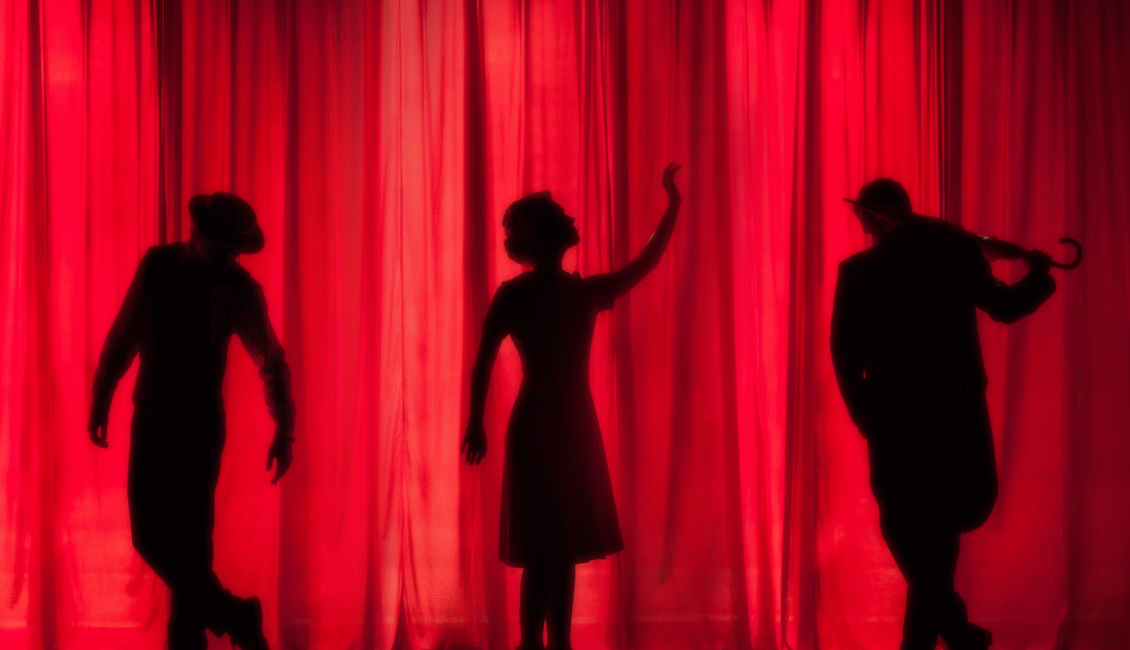
A theatrical performance is a live presentation of a story, ideas, or emotions in front of an audience. It’s a dynamic art form that brings together various creative elements to create a unique and often unforgettable experience.
Key elements of a theater performance often include:
- Actors: Performers who embody characters and deliver dialogue, conveying emotions and advancing the plot.
- Script/Play: The written text that provides the dialogue, stage directions, and narrative structure.
- Director: The artistic visionary who interprets the script and guides the actors, designers, and crew to bring the production to life.
- Stage Design/Set: The physical environment on stage that helps establish the setting, mood, and atmosphere. This can range from minimalist to elaborate.
- Lighting: Used to illuminate the stage, highlight performers, create mood, and direct audience attention.
- Sound: Includes dialogue, music, sound effects, and ambient sounds that enhance the narrative and emotional impact.
- Costumes & Makeup: Help define characters, reflect the period or setting, and contribute to the overall visual aesthetic.
- Props: Objects used by actors on stage that are essential to the story or character.
- Audience: An integral part of the live experience, as their reactions and presence contribute to the energy and atmosphere of the performance.
Types of Theater Performances:
Theater encompasses a vast range of genres and styles, including:
- Drama: Serious plays that explore human emotions and conflicts.
- Comedy: Plays designed to amuse and entertain, often with humorous situations and dialogue.
- Musical Theater: Integrates songs, spoken dialogue, acting, and dance.
- Tragedy: Plays that often involve the downfall of a protagonist, exploring serious themes.
- Improvisational Theater: Performances where much or all of the dialogue and action are created spontaneously.
- Experimental Theater: Pushes the boundaries of traditional theater, often exploring new forms, themes, and presentation styles.
The experience of attending a live theater performance is distinct from other forms of entertainment. There’s an immediacy and shared experience between the performers and the audience that cannot be replicated. It’s an art form that continues to evolve, reflecting and shaping cultures worldwide.
Share This Post