
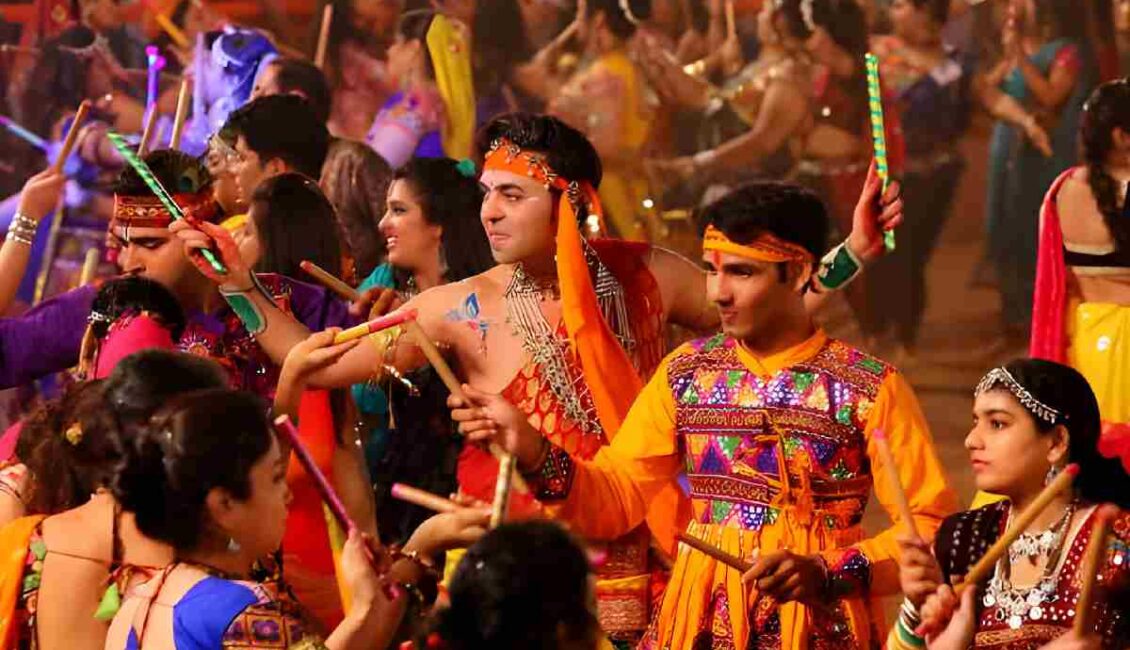
Dance events are vibrant gatherings that celebrate the art of movement in its myriad forms. From ancient traditions to cutting-edge contemporary expressions, these events offer platforms for artists to showcase their skill, creativity, and cultural heritage, while providing audiences with immersive and inspiring experiences.
- Dance Competitions: These events provide a competitive platform for dancers to showcase their technique, creativity, and performance skills. They can range from local studio competitions to national and international championships, covering diverse styles like ballroom, hip-hop, ballet, contemporary, and more. Competitions often involve a panel of judges evaluating performances based on criteria such as technical proficiency, choreography, musicality, and stage presence.
- Dance Festivals: Vibrant celebrations of dance, festivals often span multiple days and feature a wide array of performances, workshops, and masterclasses. They can be genre-specific (e.g., contemporary dance festivals, folk dance festivals) or broad, showcasing diverse styles and cultures. Festivals are known for fostering a sense of community, cultural exchange, and artistic exploration. Notable international examples include the Edinburgh International Festival, World Dance Movement, and various contact improvisation festivals.
- Dance Galas: These events emphasize elegance, refinement, and artistic expression, often featuring performances by renowned dancers and companies. Galas are typically non-competitive and serve as a platform for showcasing high-caliber artistry, sometimes as fundraisers for dance organizations.
- Recitals and Showcases: Commonly hosted by dance studios and schools, recitals and showcases provide students with opportunities to perform and demonstrate their progress. These events are crucial for nurturing young talent and offering a supportive environment for dancers to gain stage experience.
- Themed Dance Parties: Focused on fun, socialization, and self-expression, these events invite participants to dance to specific music genres (e.g., 80s disco, Latin fiesta) in a relaxed and festive atmosphere.
- Workshops and Masterclasses: Educational in nature, these events allow dancers of all levels to refine their skills under the guidance of renowned instructors. They focus on technique, choreography, improvisation, and personal development.
- Dance for a Cause: These events leverage the art of dance to raise awareness and funds for charitable or social causes, demonstrating dance’s power to drive positive change.
- Urban Dance Battles: Highly energetic and often improvisational, these events showcase street dance styles like hip-hop, breaking, popping, and locking in a head-to-head competitive format. They are known for their vibrant atmosphere, innovative moves, and strong sense of community.
Organizing a successful dance event requires meticulous planning and coordination. Key considerations include:
- Venue Selection: Choosing a suitable venue with adequate space, proper facilities (dressing rooms, sound system, lighting), good acoustics, and accessibility for both performers and audience members is crucial.
- Theme and Choreography: For performances, a cohesive theme can enhance the audience experience, and encouraging unique choreography brings out the best in performers.
- Logistics and Finance: Creating a detailed schedule, managing the budget (including venue rental, equipment, marketing, and staff), and having contingency plans for unforeseen challenges are essential.
- Team and Communication: Assembling a dedicated team for various roles (ticketing, ushering, backstage coordination, technical support) and establishing clear communication channels among all participants (performers, choreographers, crew) ensure smooth operations.
- Marketing and Promotion: Effective advertising strategies, utilizing professional photography and videography, and leveraging social media with unique hashtags are vital for attracting audiences and generating buzz.
- Judging and Support (for competitions): Selecting competent judges with expertise in various dance styles is important, as is creating a supportive and encouraging environment for participants.
- Safety and Well-being: Ensuring the safety and well-being of all participants and attendees is paramount.
- Post-Event Evaluation: Documenting attendance figures, ticket sales, social media engagement, and gathering feedback are crucial for identifying successes, addressing pain points, and improving future events.
Share This Post